

cience doesn’t happen on a screen. It happens in labs, hands-on activities, and through trial and error. The decision to remove labs from Neshaminy High School (NHS) deprives future students of the experience they need to succeed in college.
Beginning in the 2026-27 academic year, NHS plans to phase out the 45-minute extra lab period currently attached to most science classes. While AP courses will remain unaffected, all other science offerings will shift from extended double periods to a traditional single-class schedule during labs.
In an era where almost everything is done on the computer, the transition to a less hands-on curriculum creates a “skill gap” that could affect future scientists long after they graduate.
This shift isn’t just a modern change; it’s dismantling of foundational skills needed for success in the competitive world of science.
How the removal will affect students’ learning
Personally, I have the passion to be a scientist, but I fear I lack the lab skills needed to pursue this career. While my future peers have already mastered the skills needed for success in a hands-on lab, I am left wondering if my late start will become a permanent handicap.
The removal of labs at NHS makes students, including me, worry about their ability to build the necessary skills needed for success in the future.
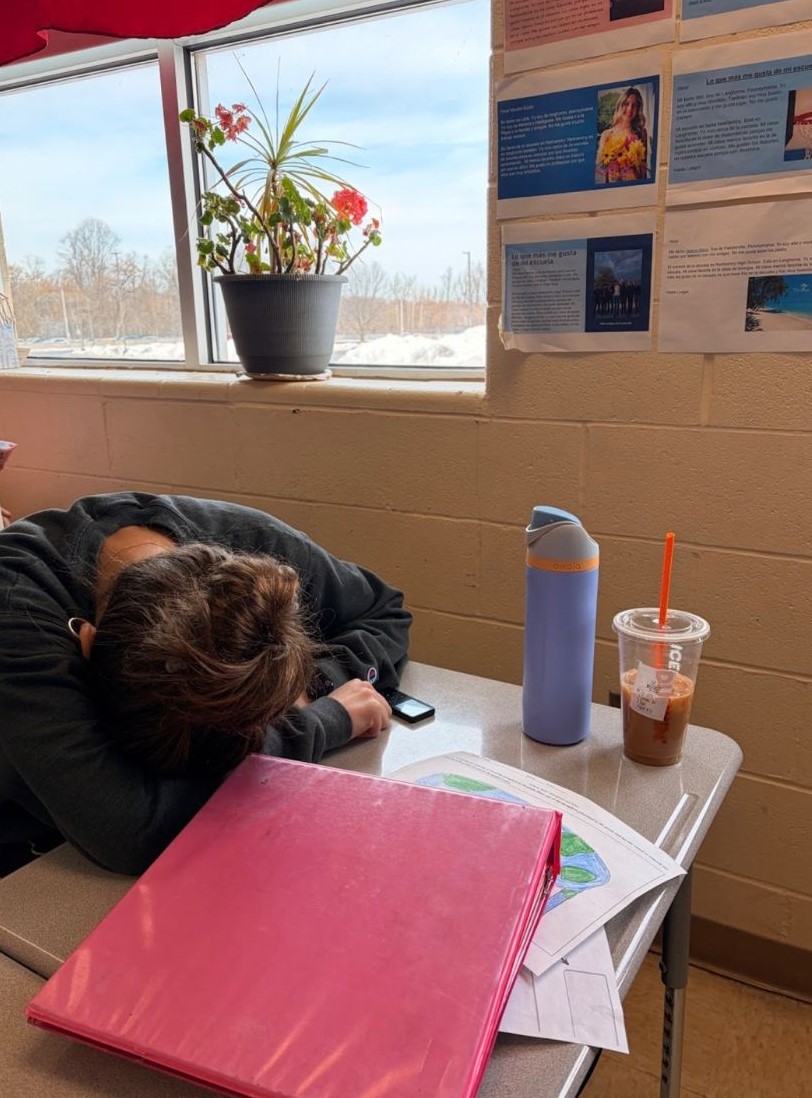
Mia Julius, a sophomore at NHS who is a hands-on learner, expressed her concern regarding the removal of lab periods.
“I feel like the lack of lab time will make me have a confidence deficit about science/STEM classes in the future,” Julius said. “Without the extra practice, it can cause limitations and disadvantages.”
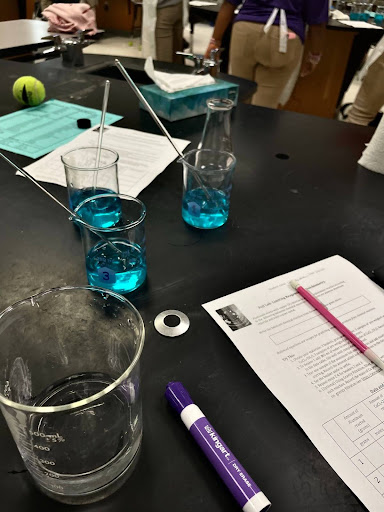
Juluis’s concerns apply to most students being affected by this decision. With the removal of labs, students who are kinesthetic learners may have a more difficult time understanding the material being taught.
From a teacher’s perspective, Kiley Gurysh, a Biology and Integrated Science teacher at NHS, expressed her belief that the lack of lab time will affect her students and emphasized the importance of experimental learning in schools.
“Physical labs are extremely important for students to gain hands-on experience that is necessary for grasping concepts,” Gurysh said. “The lack of labs will deprive students of these opportunities to learn hands-on.”
Different learning styles, different outcomes
For empirical learners, reading about a chemical reaction in a textbook is like trying to ride a bike without ever touching the pedals.
During a study by the National Library of Medicine, 230 medical students were questioned about their learning styles.
The students entering or currently in the medical field are hands-on learners. The labs they experience in medical school help to understand the necessary topics needed to succeed in the future.
Without labs, practical learners may have a more difficult time not only understanding the concepts but also focusing and staying interested in the subject.
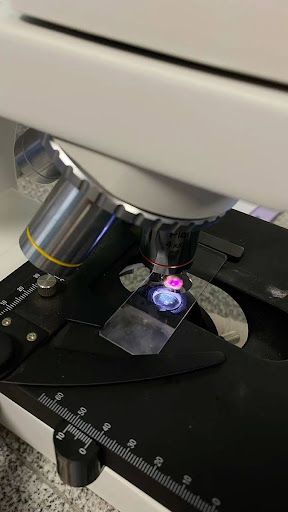
Gurysh expressed her concern for her kinesthetic learners and questioned how they would understand the concepts without labs.
“For a lot of students, these hands-on activities are where students tend to break through and understand content,” Gurysh said. “For some students, hands-on learning is the most effective way to understand content.”
Students disapproval of the removal
Students around the school have recognized that the lab is the only place where science stops being in a textbook and starts being reality.
The removal of labs was an idea brought up during the 2024-25 school year. This would impact any non-AP students currently enrolled in a science course. This proposal caused a lot of uproar within the science department and the community as a whole.
On March 7, 2025, a student started an online petition to stop the removal of labs. In the end, over 2,000 people signed the petition, including students, parents, and alumni, all the way to people with careers in science.
The school board ended up postponing this removal by a year, with the removal beginning during the 2026-27 school year.
Students have commented showing their love for labs, worry for the future, and how labs have impacted their experience in college.
“As someone who graduated from Neshaminy and went off into a science field, I can confidently say that having the science lab period has boosted my confidence and skills in college using a lab and working with other people in labs,” an anonymous person commented on the petition.
“Science is the foundation of so many careers, and students need to learn their skills from somewhere before they enter the work field.”
The petition not only had over 2,000 signatures, but also raised over $700 in an attempt to save the science labs.
NHS seems to have lost the fight against preserving labs (for now… hopefully), which is a huge blow to the science community at large and to those students who plan to pursue the science field.
The future of science labs
By trading beakers for browser tabs, we aren’t just updating the schedule; we’re narrowing a horizon for every student who walks NHS’s halls.
Science is not a spectator sport, and a textbook can never replicate the spark of curiosity that ignites during a lab.
As the light dims on our dedicated lab periods, we must ask ourselves, are we saving time? Or are we losing the future scientists who will solve the problems of tomorrow?