
LANGHORNE, Pa. – Neshaminy High School’s (NHS) True Crime Club came to a devastating cut, where low student participation and NHS’s limited number of available clubs led to its quiet disappearance.
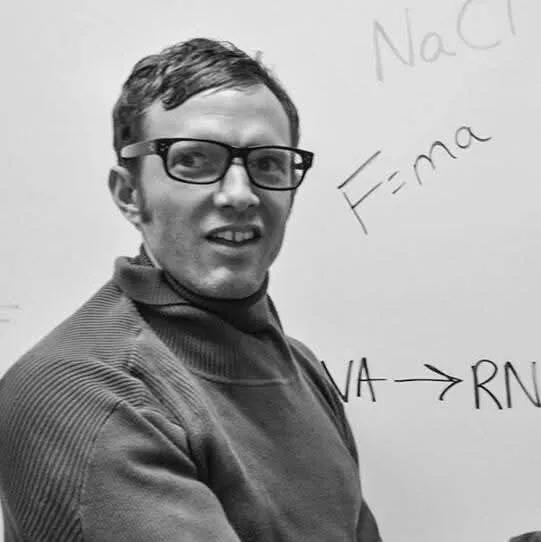
Elaine Leventhal, NHS’s forensics and physics teacher and advisor of the club, voiced her disappointment with after school activities. Leventhal expressed the need for change involving diverse club options.
“I think what we need for the clubs is for the advisors to all meet and have open conversations about scheduling,” Leventhal said.
The beautiful and unfortunate thing about NHS is the many extracurricular activities. MiniTHON, Environmental Action Club, and Interact Club are some of the wonderful opportunities available, but have challenging time demands and, unfortunately, steal time away from other equally important activities.
Leventhal describes the profound rarity that makes True Crime special, worthwhile, and wholly different from other clubs.
“You’re allowed to cut loose a bit more in the club when it comes to opinion, [and there’s] a lot of intellectual debate,” Leventhal said.
A member of the club, Claire Dombroski, opens up about her upsetting reaction and perspective regarding the club’s cut.
“I was devastated,” Dombroski said. “It wasn’t just another club—it actually sparked real curiosity and discussion. [It was] a space where people could talk openly about serious topics and learn in a respectful way.”
Furthermore, Dombroski shared the importance of making changes for future clubs so every student at NHS can belong. She not only speaks for individuals at the NHS, but for the whole community.
“Not everyone connects with sports or traditional activities, so opening up more club spots gives students a chance to explore unique topics, express themselves, and even discover potential career paths,” Dombroski said.
Leventhal’s current background is a master’s degree in ceramics science and engineering. She constantly stressed to the club the importance of education in crime and its necessity in every student’s future.
“If you have analytical thinking skills and can think clearly and logically and not be emotionally driven, it would solve a lot of problems,” Leventhal said. “[It is] a transferable skill to every facet of life.”
The club’s spot was given to another club that students were more eager to start. The inconsistency of attendance in meetings was a significant reason for its cut. According to Dombroski, the meetings felt enlightening, informative and inspirational.
“The first meeting felt incredibly welcoming,” Dombroski said. “Even with such a small group, there was this spark of curiosity and respect that made the room feel alive. It was the kind of meeting that made you instantly want to come back.”
Dombroski tells the story of how crime changed her views on life and piqued her curiosity to join.
“When I started watching Criminal Minds, I fell down the rabbit hole of documentaries and podcasts, realizing that true crime isn’t just about villains and victims; it’s about people, choices, and the thin lines between right and wrong,” Dombroski said.
The True Crime Club would teach students critical and analytical thinking skills. Essentially, it would allow people to put their emotions aside and figure out the what and why.
Leventhal stays hopeful for its future flourishment, despite its disheartening end, and explains the students’ fundamental role in clubs.
“It has to be student-driven,” Leventhal said. “We don’t create clubs. The students do. It doesn’t mean next year it won’t change.”